
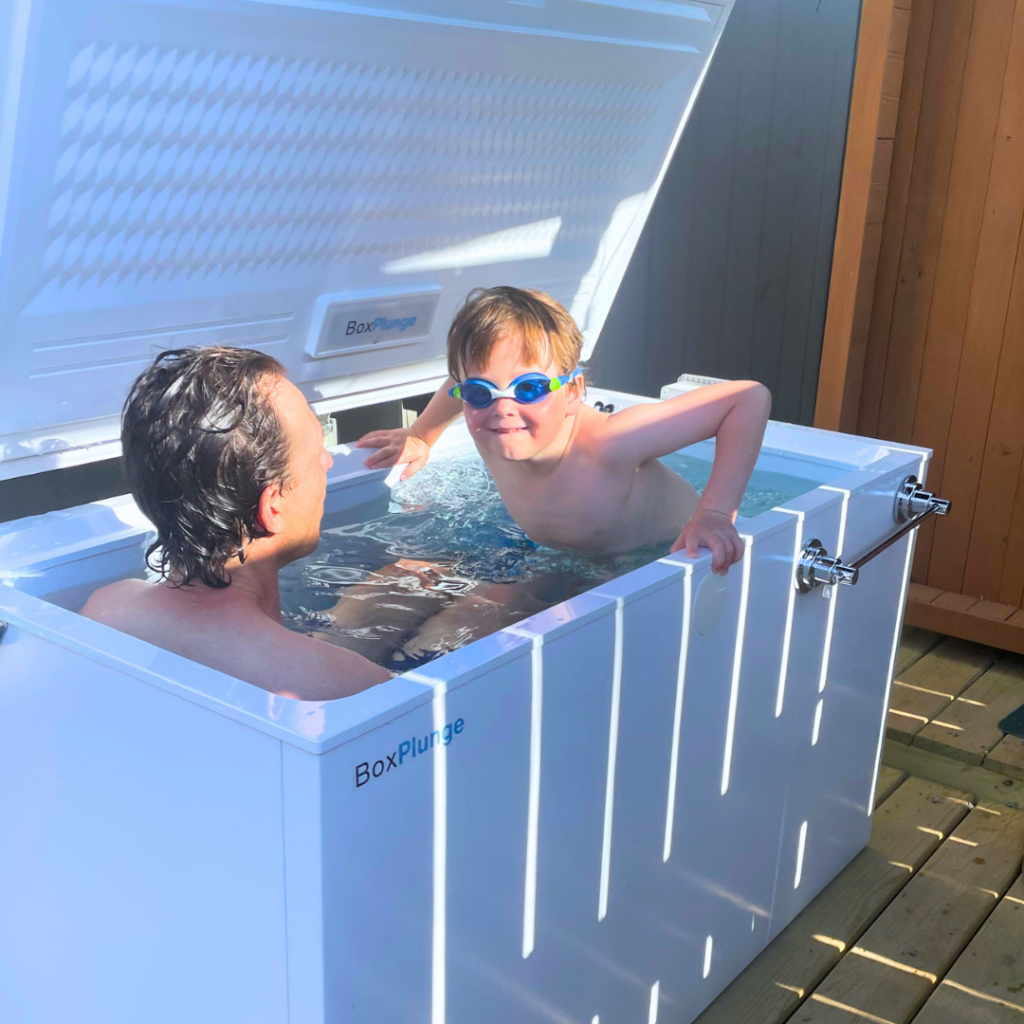
The Best Cold Plunges for Summer 2026
Inflatable tubs, stock tanks, ice barrels, premium chillers, and chest freezer cold plunges all promise the same thing: colder water, better recovery, and a stronger daily ritual. But which one actually makes the most sense for summer?
Quick verdict
The best cold plunge depends on your budget, climate, space, and how often you plan to use it. For casual beginners, a simple inflatable tub can be enough. For luxury buyers, a premium chiller plunge can be beautiful and convenient. But for daily use, especially in warm places like Miami, a properly converted chest freezer cold plunge offers one of the strongest combinations of cooling power, insulation, simplicity, and value.
- Best budget starter: inflatable ice bath or pod
- Best simple DIY tub: stock tank cold plunge
- Best compact upright option: Ice Barrel style plunge
- Best luxury option: premium integrated chiller plunge
- Best value for serious daily use: chest freezer cold plunge with a proper conversion system
Summer is when most cold plunges are tested for real. A plunge that seems fine in winter can struggle when the garage is hot, the sun is beating down, and the water is fighting warm air every hour of the day.
That is why the best cold plunge for summer is not just the one that looks good online. It is the one that can stay cold, remain clean, avoid constant ice runs, and still feel easy enough to use every morning.
Our approach: This guide is written to be practical, not blindly promotional. MiamiPlunge.com may recommend BoxPlunge because it solves many of the biggest chest freezer conversion problems, but this article also explains where inflatables, stock tanks, ice barrels, and premium chillers make more sense.
The main types of cold plunges in 2026
Most home cold plunges fall into five categories: inflatable cold plunges, stock tanks, upright barrels, premium chiller tubs, and chest freezer cold plunges. Each one can work. The difference is how much effort, money, and maintenance you are willing to accept.
| Cold plunge type | Best for | Main advantages | Main downsides |
|---|---|---|---|
| Inflatable tub | Beginners testing cold exposure | Low price, portable, easy to store, fast to set up | Weaker insulation, possible leaks, condensation, usually needs ice or a chiller |
| Stock tank | Simple DIY outdoor setups | Durable, affordable, lots of room, easy to clean | Usually not insulated, can heat up quickly, often needs ice or an external chiller |
| Ice Barrel style | Small spaces and upright plunging | Compact footprint, clean look, upright immersion | Less room to stretch, may still need ice or chiller, sitting position is not for everyone |
| Premium chiller plunge | Luxury buyers who want plug and play | Attractive design, automatic cooling, filtration, polished user experience | High cost, external chiller heat/noise, chiller reliability can become the main concern |
| Chest freezer plunge | Daily users who want strong cooling and insulation | Excellent insulation, built-in compressor, quiet operation, very cold water, strong value | Must be converted correctly, less portable, safety and liner quality matter |
1. Inflatable cold plunges: best for trying the habit
Inflatable cold plunges are everywhere because they are easy to buy, easy to ship, and affordable. If you are not sure whether cold plunging will become part of your routine, this is usually the cheapest way to start.
Inflatable cold plunge
This is the entry-level option. It is not the most powerful or durable setup, but it can be a good first step for someone who wants to experience cold exposure before investing in a more permanent plunge.
Pros
- Lowest upfront cost
- Portable and easy to store
- Good for renters or temporary spaces
Cons
- Less insulation than hard-sided options
- Usually needs ice or a chiller
- More exposed to heat in summer
- Leaks and air loss can happen over time
The biggest issue with inflatables is not that they cannot work. The issue is that the cheaper setup can become annoying once you want to plunge every day. Ice gets expensive. Thin walls lose temperature faster. Condensation can make the floor wet. In hot summer conditions, the tub may need more cooling power than expected.
2. Stock tank cold plunges: durable, simple, but not very insulated
Stock tanks are popular in the DIY cold plunge world because they are strong, inexpensive, and easy to understand. You buy a tank, fill it with water, and either use ice or connect a chiller.
Stock tank cold plunge
A stock tank is a smart upgrade from a flimsy tub if you want something simple and durable. It is especially popular with DIY users who do not mind building their own filtration or cooling setup.
Pros
- Strong and durable
- Often more spacious than upright barrels
- Good DIY foundation
Cons
- Usually not insulated
- Can warm up quickly in summer
- Needs ice or external chiller
- Filtration and sanitation are usually DIY
The stock tank is honest and practical. But in summer, especially in places like Florida, insulation matters. A non-insulated tank is constantly fighting the surrounding air. That means more ice, more chiller runtime, or warmer water than you wanted.
3. Ice Barrel style plunges: compact and clean looking
Upright barrel-style plunges are attractive because they take up less space and look cleaner than many DIY tubs. They are also good for people who prefer a vertical plunge position.
Ice Barrel style cold plunge
This category is best for people who care about footprint and appearance. It can be a good backyard or patio option, especially if you like sitting upright instead of lying back.
Pros
- Small footprint
- Clean visual design
- Good for upright immersion
Cons
- Less comfortable for stretching out
- Still may need ice or a chiller
- Can be expensive for what it is
The main question is comfort. Some people love the upright position. Others want to stretch their legs, lean back, or fully relax into the plunge. If that is you, a chest freezer or rectangular plunge may feel better.
4. Premium chiller cold plunges: beautiful, convenient, expensive
Premium cold plunges are the polished end of the market. They usually include a tub, chiller, filtration, and a cleaner design. For people who want a finished product and do not mind paying more, this can be the right answer.
Premium integrated chiller plunge
This is the luxury route. It is usually the most attractive and convenient option, but it can also be the most expensive to buy, repair, and replace.
Pros
- Plug-and-play experience
- Polished design
- Automatic cooling
- Often includes filtration
Cons
- High upfront cost
- External chiller can add heat and noise
- Chiller is often the most important failure point
- May be overkill for budget-conscious buyers
Premium chillers make sense when aesthetics and convenience matter more than price. But for many home users, the key question is simple: can I get consistently cold water without spending several thousand dollars?
5. Chest freezer cold plunges: the best value for serious daily use
A chest freezer cold plunge is different because it starts with a machine already designed to keep things extremely cold. A chest freezer has insulation, a compressor, and a lid that helps trap cold air and protect the cold environment.
ENERGY STAR notes that certified chest freezers use improved insulation, high-efficiency compressors, evaporators, and temperature mechanisms to reduce energy use. That same basic design logic is why a chest freezer can make so much sense as the foundation for a cold plunge.
Why this matters in summer
In hot weather, the best cold plunge is not just the one that cools water once. It is the one that can hold cold temperature with less effort. This is where insulation becomes a major advantage.
Chest freezer cold plunge
A properly converted chest freezer cold plunge is one of the strongest options for people who want cold water ready every day without constantly buying ice or relying on an expensive external chiller.
Pros
- Excellent insulation
- Built-in compressor
- Can reach very cold temperatures
- Quiet operation
- No external chiller plumbing required
- Strong value compared with luxury systems
Cons
- Must be converted safely
- Less portable than inflatable tubs
- Initial cooldown can take time
- Liner, filtration, and electrical safety matter
Why BoxPlunge stands out
The chest freezer concept is powerful, but the conversion is where many people get stuck. A raw freezer is not automatically a safe, clean, or long-lasting cold plunge. The interior needs protection. The water needs filtration. The electronics need to be handled with care. The user should have a clear way to manage temperature and sanitation.
That is why BoxPlunge is our recommended chest freezer route for most serious home users. Instead of asking you to piece together random parts, BoxPlunge turns the chest freezer idea into a more complete cold plunge system.
BoxPlunge’s DIY conversion kit includes a spa-grade liner, advanced filtration system, WiFi-controlled thermostat, ozone generator, GFCI protection, surge protection, and a patent-pending self-disconnect safety system that de-energizes the electronics when the lid opens.
Important safety note: Water and electricity should always be treated seriously. A chest freezer cold plunge should be converted properly, GFCI protected, and used according to the manufacturer’s safety instructions. BoxPlunge also recommends unplugging before entering, even with its self-disconnect system.
So what is the best cold plunge for summer 2026?
If your goal is to test cold plunging for the lowest possible cost, start with an inflatable tub and ice. It is not perfect, but it lets you experience the habit before committing more money.
If you want a simple DIY outdoor tub and do not mind managing the cooling yourself, a stock tank is a solid choice.
If you want a compact, upright plunge that looks clean in a small space, an Ice Barrel style setup may be the right fit.
If budget is not a concern and you want the most polished plug-and-play experience, a premium chiller plunge can make sense.
But if you want the best balance of cold performance, insulation, value, quiet operation, and daily convenience, a chest freezer cold plunge is hard to beat. And if you want that route without the messy DIY trial and error, BoxPlunge is one of the cleanest ways to do it.
MiamiPlunge.com recommendation
For summer 2026, our top value pick is a properly converted chest freezer cold plunge. It gives serious users what they actually need: cold water that stays cold, a quiet setup, strong insulation, and a more affordable path to daily cold exposure.
For that reason, MiamiPlunge.com recommends BoxPlunge for people who want a chest freezer cold plunge system without starting from scratch.
View the BoxPlunge KitFrequently asked questions
Are chest freezer cold plunges safe?
They can be safe when converted and used properly, but safety should never be treated casually. Look for GFCI protection, proper wiring, a reliable liner, and a system that disconnects power before use. Always follow the manufacturer’s safety instructions.
Is a chest freezer cold plunge better than an inflatable cold plunge?
For daily use, usually yes. A chest freezer has much better insulation and its own compressor. An inflatable tub is better for portability and low upfront cost, but it usually needs ice or an external chiller to stay cold.
Do I still need ice with a chest freezer cold plunge?
Usually no. The main advantage of the chest freezer route is that the freezer itself cools the water. Initial cooldown can take time, but once the water is cold, the insulation helps maintain temperature.
What is the best cold plunge for Miami or hot climates?
In hot climates, insulation matters a lot. That is why chest freezer cold plunges and well-insulated premium plunges are stronger choices than thin tubs or non-insulated stock tanks.
Is BoxPlunge a complete cold plunge?
BoxPlunge offers both done-for-you chest freezer cold plunges and DIY conversion kits. The DIY kit does not include the freezer, but it includes the key components needed to convert a compatible chest freezer into a cold plunge system.